

Introduction
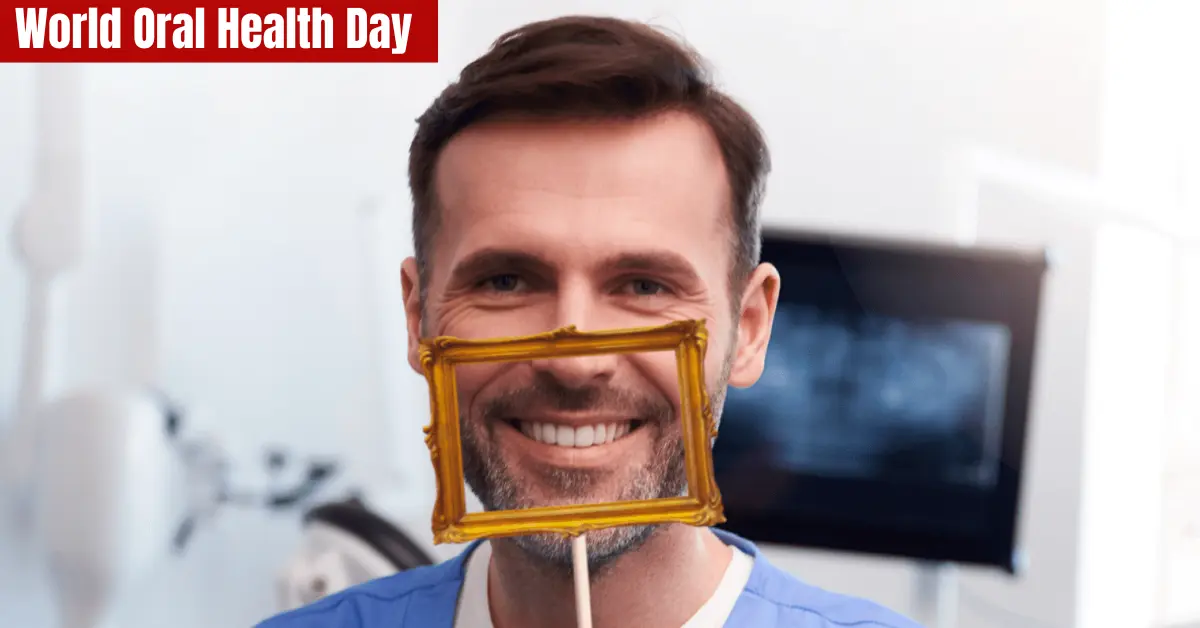
Every year, millions of people around the globe come together to celebrate World Oral Health Day, a global awareness campaign dedicated to promoting good oral hygiene and encouraging healthier habits. Oral health is much more than having clean teeth or a bright smile—it plays a crucial role in overall health, confidence, communication, and quality of life.
Many people underestimate the importance of taking care of their mouths until they experience problems such as tooth decay, gum disease, bad breath, or tooth loss. However, most oral health issues are preventable with proper daily care, regular dental checkups, and healthy lifestyle choices.
World Oral Health Day serves as a reminder that investing a few minutes every day in oral hygiene can prevent painful dental conditions and contribute to a healthier body. Whether you are a parent teaching your child how to brush, an adult maintaining healthy teeth, or a senior protecting your oral health, this day encourages everyone to make oral care a lifelong priority.
In this comprehensive guide, you’ll learn about the history of World Oral Health Day, why oral health matters, common dental problems, practical prevention tips, healthy eating habits, and ways individuals, schools, workplaces, and communities can participate in spreading awareness.
What Is World Oral Health Day?
World Oral Health Day is an international awareness campaign observed annually on March 20. It aims to educate people about the importance of maintaining good oral hygiene while encouraging governments, healthcare providers, schools, and communities to promote better dental health.
The campaign highlights the connection between oral health and overall well-being. A healthy mouth allows people to eat comfortably, speak clearly, smile confidently, and enjoy a higher quality of life.
Each year, dental professionals, educational institutions, public health organizations, and volunteers organize awareness events that encourage people to improve their oral hygiene habits and seek preventive dental care.
The message behind World Oral Health Day is simple:
A healthy mouth contributes to a healthier body and a happier life.
The History of World Oral Health Day
World Oral Health Day was established by the FDI World Dental Federation to create a worldwide movement focused on improving oral health education and reducing preventable dental diseases.
Initially celebrated on a different date, the observance was later moved to March 20, becoming the official annual date recognized across the world.
Since then, participation has expanded significantly. Every year, countries organize educational campaigns, dental screenings, school activities, seminars, social media awareness programs, and community outreach initiatives.
The campaign has become one of the largest global movements dedicated exclusively to oral health.
Why Oral Health Matters
Many people think oral health is limited to teeth and gums, but it affects much more than appearance.
Good oral health supports:
- Proper chewing and digestion
- Clear speech
- Self-confidence
- Social interactions
- Overall physical health
- Mental well-being
Poor oral health can contribute to pain, infection, difficulty eating, sleep problems, and reduced productivity.
Researchers have also identified links between oral diseases and several chronic health conditions, making oral hygiene an important part of maintaining overall wellness.
The Connection Between Oral Health and Overall Health
The mouth acts as an entry point to the body. Harmful bacteria can multiply when oral hygiene is neglected, increasing the risk of infections and inflammation.
Studies suggest associations between poor oral health and conditions such as:
- Heart disease
- Diabetes
- Respiratory infections
- Pregnancy complications
- Osteoporosis
- Rheumatoid arthritis
While maintaining oral hygiene alone cannot prevent these conditions, keeping the mouth healthy may reduce inflammation and support overall health management.
Common Oral Health Problems
Understanding common dental problems helps people recognize symptoms early and seek treatment before conditions worsen.
Tooth Decay
Tooth decay, also called dental caries or cavities, is one of the most common health conditions worldwide.
It develops when bacteria feed on sugars and produce acids that gradually damage tooth enamel.
Symptoms include:
- Tooth sensitivity
- Pain while eating
- Visible holes
- Toothache
- Bad breath
Without treatment, cavities can lead to infection and tooth loss.
Gum Disease
Gum disease begins with plaque buildup around the teeth.
Early-stage gum disease, known as gingivitis, causes:
- Red gums
- Swelling
- Bleeding during brushing
- Bad breath
If untreated, it can progress to periodontitis, a more serious condition that damages the tissues supporting teeth.
Bad Breath
Persistent bad breath, also known as halitosis, often results from:
- Poor brushing
- Gum disease
- Dry mouth
- Smoking
- Certain medical conditions
Maintaining good oral hygiene usually helps improve breath freshness.
Tooth Sensitivity
Sensitive teeth may react painfully to:
- Cold drinks
- Hot beverages
- Sweet foods
- Cold air
Sensitivity can result from worn enamel, gum recession, cavities, or cracked teeth.
Oral Cancer
Oral cancer affects the lips, tongue, cheeks, gums, and throat.
Warning signs include:
- Mouth sores that don’t heal
- White or red patches
- Persistent pain
- Difficulty swallowing
- Lumps inside the mouth
Regular dental examinations can help identify abnormalities early.
Daily Habits for Better Oral Health
Healthy habits practiced consistently can significantly reduce the risk of dental problems.
Brush Properly
Brush your teeth twice daily using fluoride toothpaste.
Dentists generally recommend brushing for two minutes using gentle circular motions while cleaning every surface of the teeth.
Don’t forget to brush your tongue to reduce bacteria and improve breath freshness.
Floss Every Day
Brushing alone cannot clean between teeth effectively.
Daily flossing removes plaque and food particles from areas where toothbrush bristles cannot reach.
Use Mouthwash
Antibacterial mouthwash can help reduce bacteria, freshen breath, and complement brushing and flossing.
However, mouthwash should never replace regular brushing.
Replace Your Toothbrush
A toothbrush loses effectiveness as its bristles wear down.
Replace it approximately every three to four months or sooner if the bristles become frayed.
Stay Hydrated
Water helps wash away food particles and supports saliva production.
Saliva naturally protects teeth by neutralizing acids and reducing harmful bacteria.
Foods That Promote Healthy Teeth
Nutrition plays an essential role in oral health.
Foods that support strong teeth include:
- Milk
- Yogurt
- Cheese
- Leafy green vegetables
- Apples
- Carrots
- Celery
- Almonds
- Eggs
- Fish
These foods provide important nutrients such as calcium, phosphorus, vitamin D, and protein that strengthen teeth and bones.
Foods That Can Harm Your Teeth
Some foods increase the risk of tooth decay, especially when consumed frequently.
Examples include:
- Sugary candies
- Soft drinks
- Energy drinks
- Sticky sweets
- Sweetened cereals
- Cakes
- Cookies
- Ice cream
- Sugary coffee drinks
Limiting sugary snacks and rinsing the mouth with water after consuming them helps reduce acid attacks on tooth enamel.
The Importance of Regular Dental Checkups
Many dental problems develop without noticeable symptoms.
Routine dental visits allow professionals to:
- Detect cavities early
- Identify gum disease
- Remove plaque and tartar
- Screen for oral cancer
- Provide preventive advice
Preventive care often costs less than treating advanced dental problems.
Oral Health for Children
Good oral hygiene begins early in life.
Parents should:
- Clean infants’ gums gently.
- Begin brushing as soon as the first tooth appears.
- Use age-appropriate toothpaste.
- Supervise brushing.
- Limit sugary snacks.
- Schedule regular dental visits.
Teaching healthy habits during childhood encourages lifelong oral health.
Oral Health for Teenagers
Teenagers often consume sugary drinks and snacks while orthodontic treatment may make cleaning more difficult.
Important habits include:
- Brushing after meals when possible
- Flossing carefully around braces
- Wearing mouthguards during sports
- Limiting sugary beverages
- Avoiding tobacco and vaping
Healthy choices during adolescence can prevent lifelong dental issues.
Oral Health for Adults
Adults face unique challenges including stress, smoking, diet, and busy schedules.
Maintaining oral health involves:
- Brushing twice daily
- Flossing every day
- Attending dental appointments
- Eating a balanced diet
- Avoiding tobacco
- Limiting alcohol consumption
These habits reduce the risk of gum disease and tooth loss.
Oral Health for Older Adults
As people age, they may experience:
- Dry mouth
- Gum recession
- Tooth wear
- Root decay
- Tooth loss
Seniors should continue practicing daily oral hygiene while seeking professional dental care regularly.
Properly cleaning dentures is equally important for those who wear them.
The Role of Fluoride
Fluoride strengthens tooth enamel and helps prevent cavities.
It works by:
- Rebuilding weakened enamel
- Slowing acid damage
- Reducing cavity formation
Fluoride is commonly found in toothpaste, mouth rinses, and in some communities, drinking water.
Using fluoride toothpaste remains one of the simplest ways to protect teeth.
The Impact of Smoking on Oral Health
Smoking affects nearly every part of the mouth.
It increases the risk of:
- Gum disease
- Tooth discoloration
- Bad breath
- Delayed healing
- Tooth loss
- Oral cancer
Quitting smoking benefits both oral health and overall health.
Oral Health During Pregnancy
Pregnancy hormones may increase the risk of gum inflammation.
Expectant mothers should:
- Continue brushing and flossing daily.
- Eat nutritious foods.
- Visit the dentist if needed.
- Report gum bleeding.
- Stay hydrated.
Maintaining oral health during pregnancy supports both maternal and infant well-being.
Mental Health and Oral Health
Mental health can influence oral hygiene habits.
People experiencing stress, anxiety, or depression may:
- Skip brushing
- Grind their teeth
- Consume more sugary foods
- Delay dental visits
Likewise, dental pain or missing teeth may reduce confidence and affect emotional well-being.
Taking care of oral health can contribute to better self-esteem and quality of life.
How Schools Can Celebrate World Oral Health Day
Schools play an important role in educating children.
Activities may include:
- Toothbrushing demonstrations
- Oral hygiene competitions
- Poster-making contests
- Educational presentations
- Healthy snack campaigns
- Visits from dental professionals
Fun learning experiences help children develop healthy lifelong habits.
How Workplaces Can Participate
Employers can encourage healthier employees through:
- Oral health seminars
- Free dental screenings
- Educational posters
- Wellness newsletters
- Healthy cafeteria options
Promoting oral health supports employee well-being and productivity.
Community Awareness Activities
Communities often celebrate World Oral Health Day through:
- Free dental camps
- Public awareness walks
- Educational workshops
- Health fairs
- Social media campaigns
- School outreach programs
These activities increase awareness and improve access to oral health education.
Myths About Oral Health
Several misconceptions continue to spread regarding dental care.
Myth 1: Brushing Harder Cleans Better
Aggressive brushing can damage enamel and irritate gums.
Gentle brushing is more effective.
Myth 2: Baby Teeth Don’t Matter
Primary teeth guide permanent teeth and support speech and nutrition.
They deserve proper care.
Myth 3: Bleeding Gums Are Normal
Healthy gums should not bleed regularly.
Persistent bleeding may indicate gum disease.
Myth 4: Sugar Is the Only Cause of Cavities
Frequent snacking, poor brushing, and bacteria all contribute to tooth decay.
Myth 5: If Nothing Hurts, My Teeth Are Healthy
Many dental diseases progress silently.
Regular dental checkups help detect problems before pain develops.
Tips for Maintaining Excellent Oral Health
Follow these practical tips every day:
- Brush twice daily.
- Floss every day.
- Use fluoride toothpaste.
- Drink plenty of water.
- Eat nutritious foods.
- Limit sugary snacks.
- Avoid tobacco products.
- Visit your dentist regularly.
- Replace your toothbrush every few months.
- Wear a mouthguard during sports.
Consistency is the key to maintaining lifelong oral health.
The Global Importance of World Oral Health Day
World Oral Health Day reminds people that oral diseases remain among the most common health problems worldwide, yet many of them are preventable.
Raising awareness helps communities:
- Improve oral hygiene habits
- Increase access to preventive care
- Encourage early diagnosis
- Reduce healthcare costs
- Improve quality of life
When individuals understand the importance of oral health, they are more likely to adopt healthy behaviors that benefit themselves and future generations.
Conclusion
World Oral Health Day is much more than an annual observance—it is a global movement encouraging people to value and protect one of the most important aspects of their overall health. A healthy mouth enables us to eat comfortably, speak confidently, express ourselves through smiles, and enjoy a better quality of life.
Fortunately, maintaining good oral health does not require complicated routines. Brushing twice a day with fluoride toothpaste, flossing daily, eating a balanced diet, limiting sugary foods, drinking plenty of water, and scheduling regular dental checkups are simple yet powerful habits that can prevent many common dental problems.
The message of World Oral Health Day is relevant for everyone, regardless of age. Children can develop healthy habits early, adults can maintain strong teeth and gums throughout life, and older adults can preserve their oral function and comfort. Families, schools, workplaces, healthcare professionals, and communities all have an important role to play in spreading awareness and making oral health a shared priority.
By embracing these healthy practices every day—not just on March 20—we can reduce the burden of preventable oral diseases and enjoy healthier smiles for years to come. Every small step toward better oral hygiene contributes to improved overall health, greater confidence, and a brighter future for individuals and communities worldwide.
