

Introduction
A Bachelor of Oral Health is an excellent degree for individuals who want to build a meaningful career in healthcare while helping people maintain healthy smiles. Oral health professionals play an important role in preventing dental diseases, educating patients about proper oral hygiene, and supporting dentists in providing high-quality care.
As awareness of oral health continues to grow, the demand for qualified oral health practitioners has increased in many countries. People are becoming more conscious of the connection between oral health and overall well-being, making this profession both valuable and rewarding.
Whether you are a high school graduate exploring career options or someone considering a career change, studying a Bachelor of Oral Health can open the door to a stable profession with opportunities for personal growth and career advancement. This guide explains everything you need to know about the degree, including course content, admission requirements, career prospects, salary expectations, skills required, and future opportunities.
What Is a Bachelor of Oral Health?
A Bachelor of Oral Health is an undergraduate degree that prepares students to become qualified oral health practitioners. The program combines scientific knowledge with practical clinical experience, allowing graduates to diagnose common oral conditions, provide preventive treatments, educate patients, and promote lifelong oral health.
Unlike traditional dentistry programs that focus on advanced diagnosis and surgical procedures, this degree emphasizes preventive care, oral hygiene, patient education, and community dental health.
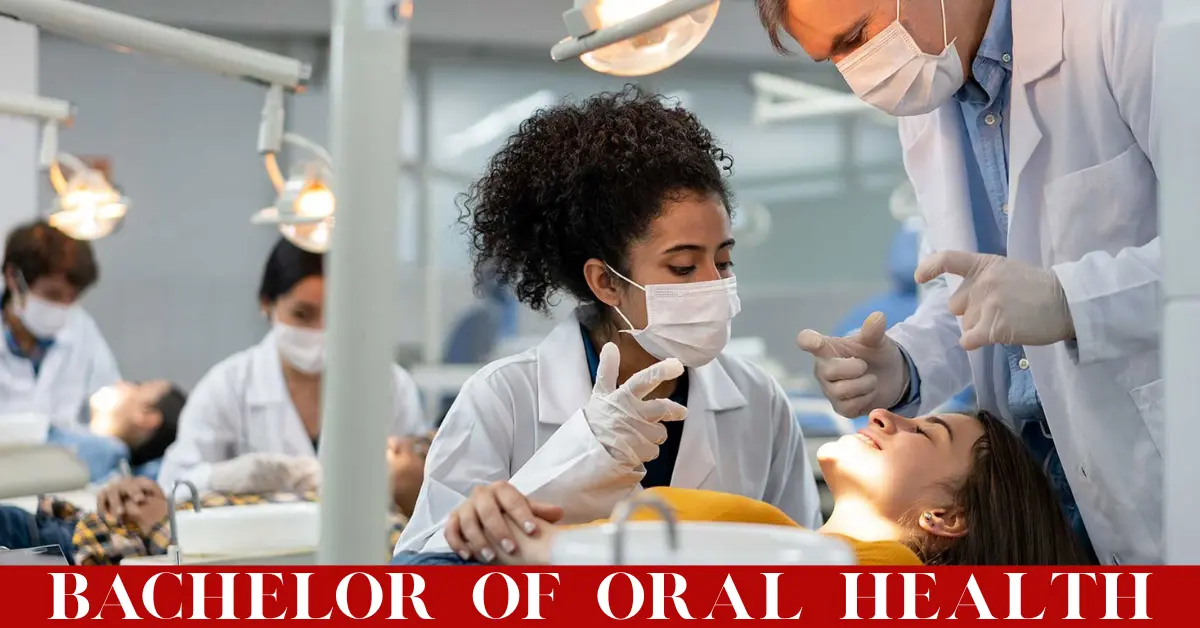
Students receive extensive training in both classroom settings and supervised clinical environments where they gain hands-on experience treating patients.
Why Study a Bachelor of Oral Health?
Choosing this degree offers many advantages beyond job security. Students develop valuable healthcare skills while making a positive difference in people’s lives.
Some major benefits include:
- Strong employment opportunities
- Practical hands-on learning
- Opportunity to improve community health
- Competitive salaries
- Flexible career pathways
- Opportunities for specialization
- High levels of job satisfaction
- Continuous professional development
Many graduates enjoy careers that combine science, communication, healthcare, and patient care in one profession.
What Do Students Learn?
A Bachelor of Oral Health covers a wide range of subjects designed to prepare students for professional practice.
Human Anatomy
Students learn about the structure of the human body, particularly the head, neck, teeth, gums, muscles, and jaw.
Understanding anatomy helps oral health practitioners recognize normal structures and identify abnormalities.
Physiology
Physiology focuses on how the body’s systems function and how oral health affects overall health.
Students study topics including:
- Immune system
- Circulatory system
- Nervous system
- Bone development
- Healing processes
Oral Biology
Oral biology explores the development of teeth and oral tissues.
Students learn about:
- Tooth development
- Enamel formation
- Saliva
- Oral bacteria
- Gum health
Dental Radiography
Students learn how to safely capture dental X-rays.
Training includes:
- Radiation safety
- Image interpretation
- Patient positioning
- Digital imaging technology
Preventive Dentistry
Preventive care is one of the most important aspects of oral health.
Students learn how to:
- Prevent tooth decay
- Reduce gum disease
- Apply fluoride treatments
- Perform dental cleanings
- Place fissure sealants
Dental Materials
This subject introduces the materials commonly used in oral healthcare.
Examples include:
- Dental cement
- Composite resin
- Impression materials
- Protective coatings
- Temporary restorative materials
Infection Control
Patient safety is essential in every dental clinic.
Students receive training in:
- Sterilization procedures
- Personal protective equipment
- Clinical hygiene
- Waste disposal
- Disease prevention
Patient Communication
Good communication improves patient care.
Students develop skills in:
- Active listening
- Patient education
- Managing dental anxiety
- Professional communication
- Ethical decision-making
Clinical Training
One of the biggest strengths of a Bachelor of Oral Health is its emphasis on clinical experience.
Students work under professional supervision while treating real patients.
Clinical experience may include:
- Dental examinations
- Teeth cleaning
- Fluoride application
- Oral health assessments
- Dental charting
- Oral hygiene instruction
- Community outreach programs
This practical experience helps students become confident before graduation.
Skills You Develop
Graduates develop technical and personal skills that are useful throughout their careers.
Important skills include:
Communication
Professionals must explain treatment plans clearly and educate patients about oral hygiene.
Attention to Detail
Small oral problems can become serious if overlooked.
Manual Dexterity
Working with dental instruments requires precision and steady hand movements.
Problem Solving
Each patient presents unique oral health challenges.
Critical Thinking
Professionals assess patient conditions and determine suitable preventive treatments.
Compassion
Empathy helps patients feel comfortable and supported.
Teamwork
Oral health practitioners work closely with dentists, hygienists, assistants, and administrative staff.
Admission Requirements
Admission requirements vary by institution.
Generally, applicants need:
- High school completion or equivalent qualification
- Science subjects such as biology or chemistry
- English language proficiency
- Meeting the minimum academic score
- Interview or aptitude assessment (for some institutions)
Some universities may also require background checks or health clearances before students begin clinical placements.
Duration of the Degree
Most Bachelor of Oral Health programs take between three and four years of full-time study.
The program usually combines:
- Lectures
- Laboratory work
- Clinical placements
- Research projects
- Community health experiences
Some universities also offer flexible study options for part-time students.
Career Opportunities
Graduates have numerous employment opportunities in both public and private healthcare settings.
Common workplaces include:
Private Dental Clinics
Many graduates begin their careers working alongside dentists in private practices.
Responsibilities include preventive care, patient education, and routine oral health services.
Public Health Services
Government healthcare organizations employ oral health practitioners to improve community dental health.
These roles often involve working with schools, rural communities, and public health programs.
Community Health Centers
Community clinics provide affordable dental care to diverse populations.
Graduates educate patients and help reduce oral health inequalities.
Schools
School-based oral health programs focus on educating children about brushing, healthy eating, and preventing tooth decay.
Graduates may conduct screenings and provide preventive treatments.
Hospitals
Some hospitals employ oral health professionals to assist patients with complex medical needs and support multidisciplinary healthcare teams.
Universities
Experienced professionals may move into teaching, mentoring students, or contributing to academic research.
