

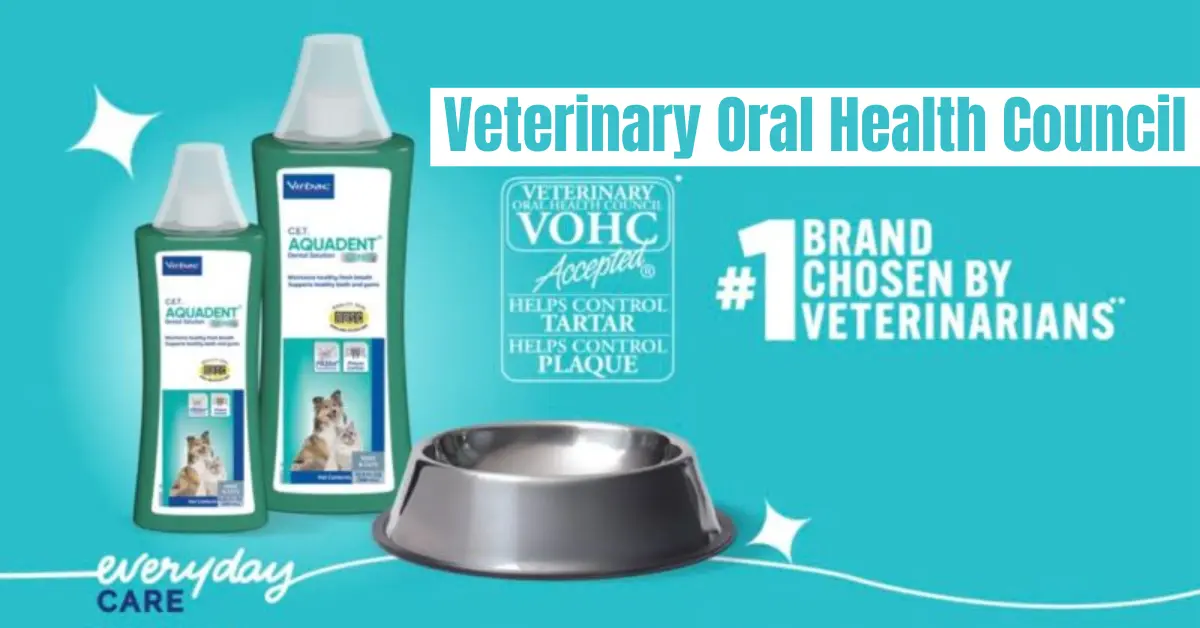
When most people think about caring for their pets, they focus on good food, regular exercise, vaccinations, and plenty of love. While these are all important, one area is often forgotten—oral health. Healthy teeth and gums play a major role in a pet’s overall well-being. In fact, dental disease is one of the most common health problems seen in dogs and cats.
This is where the Veterinary Oral Health Council becomes an important name for pet owners. If you have ever looked at pet dental treats, chews, toothpastes, or water additives, you may have noticed a seal from the Veterinary Oral Health Council on the packaging. Many people see this seal but don’t know what it actually means.
Understanding the Veterinary Oral Health Council can help you make smarter choices for your pet’s dental care. Rather than relying on marketing claims, you can choose products that have been reviewed using scientific standards. This gives pet owners greater confidence that they are buying products designed to support better oral health.
In this guide, we’ll explore what the Veterinary Oral Health Council is, why it matters, how products earn its seal, and how you can improve your pet’s dental health every day.
What Is the Veterinary Oral Health Council?
The Veterinary Oral Health Council, often called VOHC, is an independent organization that reviews dental health products for pets. Its main goal is to identify products that are effective at reducing plaque and tartar in dogs and cats.
Unlike companies that manufacture pet products, the Veterinary Oral Health Council does not sell dental treats, toys, or toothpaste. Instead, it evaluates scientific evidence submitted by manufacturers. Only products that meet strict standards are allowed to display the VOHC Seal of Acceptance.
The seal gives pet owners confidence that a product has been tested and shown to help reduce plaque, tartar, or both when used as directed.
It’s important to understand that the Veterinary Oral Health Council does not claim that a product can completely prevent dental disease. Instead, it recognizes products that have demonstrated measurable benefits for oral health through scientific testing.
Why Oral Health Matters for Pets
Many pet owners underestimate the importance of dental care. A dog or cat may appear healthy while silently developing serious dental problems.
Plaque starts forming on teeth shortly after eating. If it is not removed, it hardens into tartar. Over time, bacteria can spread beneath the gums, leading to inflammation, infection, pain, and tooth loss.
Poor dental health can affect much more than the mouth. Chronic oral infections may contribute to health issues involving the heart, kidneys, and other organs. While not every pet with dental disease will develop these complications, maintaining good oral hygiene helps reduce unnecessary health risks.
Common signs of dental problems include:
- Bad breath
- Yellow or brown buildup on teeth
- Red or swollen gums
- Bleeding gums
- Loose teeth
- Trouble chewing
- Dropping food while eating
- Pawing at the mouth
- Excessive drooling
- Reduced appetite
Many pets hide pain surprisingly well. By the time obvious symptoms appear, dental disease may already be advanced.
The Mission of the Veterinary Oral Health Council
The Veterinary Oral Health Council was established to improve dental care for companion animals through science-based product evaluation.
Its mission includes:
- Encouraging manufacturers to develop effective dental products.
- Providing pet owners with trustworthy information.
- Supporting veterinarians in recommending reliable products.
- Promoting better oral health for dogs and cats.
Instead of asking consumers to trust advertising alone, the Veterinary Oral Health Council focuses on objective scientific evidence.
This approach benefits everyone. Pet owners gain confidence, veterinarians have reliable recommendations, and manufacturers are encouraged to maintain high-quality standards.
What Does the VOHC Seal Mean?
One of the most recognized features of the Veterinary Oral Health Council is its Seal of Acceptance.
When you see this seal on a product, it means the manufacturer has provided research showing that the product helps reduce plaque or tartar under specific testing conditions.
The seal may indicate one or both of these benefits:
Plaque Control
Plaque is a soft film of bacteria that constantly forms on teeth. If it isn’t removed regularly, it can lead to gum disease.
Products approved for plaque control have shown they can significantly reduce plaque buildup when used according to instructions.
Tartar Control
Tartar develops when plaque hardens due to minerals in saliva.
Once tartar forms, brushing alone usually cannot remove it. Professional dental cleaning by a veterinarian is often necessary.
Products with approval for tartar control have demonstrated their ability to reduce tartar accumulation compared to untreated groups.
Some products qualify for both plaque and tartar claims.
How Products Earn Approval
Receiving the Veterinary Oral Health Council seal is not a simple marketing decision.
Manufacturers must complete a structured evaluation process that involves scientific testing.
Although specific study designs may vary, products generally undergo:
Clinical Studies
Products are tested on dogs or cats under carefully controlled conditions.
Researchers measure plaque and tartar levels before and after using the product.
Data Collection
Scientists record results using standardized methods.
The goal is to determine whether the product provides meaningful improvement over a control group.
Independent Review
The Veterinary Oral Health Council reviews the submitted research.
Experts examine whether the evidence meets established scientific standards.
If the evidence supports the product’s claims, the seal may be granted.
If the evidence is insufficient, approval is not given.
Types of Products That May Receive the Seal
Many different dental care products can qualify for acceptance if they successfully meet testing requirements.
These include:
Dental Chews
Dental chews are among the most popular options.
Their texture helps scrape plaque from teeth while chewing.
Many dogs enjoy them as treats, making daily dental care easier.
Dental Diets
Some specially designed pet foods have unique kibble textures that encourage chewing and help clean teeth.
These diets may also include ingredients that reduce tartar formation.
Toothpaste
Pet toothpaste is formulated to be safe if swallowed.
Unlike human toothpaste, it does not contain ingredients that could be harmful to dogs or cats.
Daily brushing remains one of the best ways to reduce plaque.
Water Additives
Water additives mix into a pet’s drinking water.
Some products help reduce bacteria responsible for plaque formation.
These are especially useful for pets that resist tooth brushing.
Dental Wipes
Dental wipes allow owners to clean teeth without using a toothbrush.
Although brushing is generally more effective, wipes can still provide benefits when used consistently.
Dental Treats
Certain treats are specifically designed to promote chewing that helps clean teeth.
The Veterinary Oral Health Council reviews whether these products truly provide measurable dental benefits.
Why the Seal Is Helpful for Pet Owners
The pet industry offers hundreds of dental products.
Many packages promise cleaner teeth, fresher breath, and healthier gums.
Without scientific evaluation, it can be difficult to know which products actually work.
The Veterinary Oral Health Council helps simplify this decision.
Instead of guessing, pet owners can look for products that have demonstrated effectiveness through scientific testing.
This doesn’t mean non-approved products are ineffective. Some companies simply choose not to apply for review. However, the VOHC seal offers an extra level of confidence because the product has undergone independent evaluation.
Daily Habits That Support Good Oral Health
Even with approved products, no single item can replace a complete dental care routine.
Healthy teeth require consistent care throughout a pet’s life.
Good daily habits include:
- Brushing teeth regularly.
- Providing appropriate dental chews.
- Feeding a balanced diet.
- Scheduling routine veterinary checkups.
- Watching for signs of dental disease.
- Replacing worn chewing toys.
- Following your veterinarian’s recommendations.
Consistency is far more important than occasional intensive care.
Brushing: The Gold Standard
Veterinarians widely agree that brushing remains the most effective way to control plaque.
Ideally, pet owners should brush their dog’s or cat’s teeth every day.
If daily brushing isn’t possible, brushing several times each week is still beneficial.
Start slowly.
Allow your pet to become familiar with the toothbrush and toothpaste before attempting a full brushing session.
Reward calm behavior with praise and positive reinforcement.
Most pets gradually become more comfortable when brushing is introduced patiently.
Choosing the Right Dental Products
Not every product is suitable for every pet.
When selecting dental care products, consider factors such as:
- Your pet’s age
- Breed
- Size
- Existing dental problems
- Chewing habits
- Overall health
For example, aggressive chewers may need more durable dental chews, while senior pets may benefit from softer options.
Your veterinarian can help recommend products that best fit your pet’s individual needs.
Common Dental Problems in Dogs and Cats
Understanding common oral health issues makes it easier to recognize when professional care is needed.
Some frequently diagnosed conditions include:
Gingivitis
This is inflammation of the gums caused primarily by plaque buildup.
It often begins with redness and swelling around the gum line.
Early treatment can prevent progression to more serious disease.
Periodontal Disease
This condition affects the tissues supporting the teeth.
As bacteria spread below the gums, damage can occur to bone and connective tissue.
Without treatment, teeth may become loose or fall out.
Broken Teeth
Pets sometimes fracture teeth by chewing extremely hard objects.
Broken teeth may expose sensitive nerves, causing significant pain.
Professional veterinary treatment is usually necessary.
Tooth Resorption in Cats
Cats commonly develop tooth resorption, a painful condition where tooth structure gradually breaks down.
Many affected cats require tooth extraction to relieve discomfort.
Recognizing these conditions early can greatly improve treatment outcomes and help your pet live a healthier, more comfortable life.
