

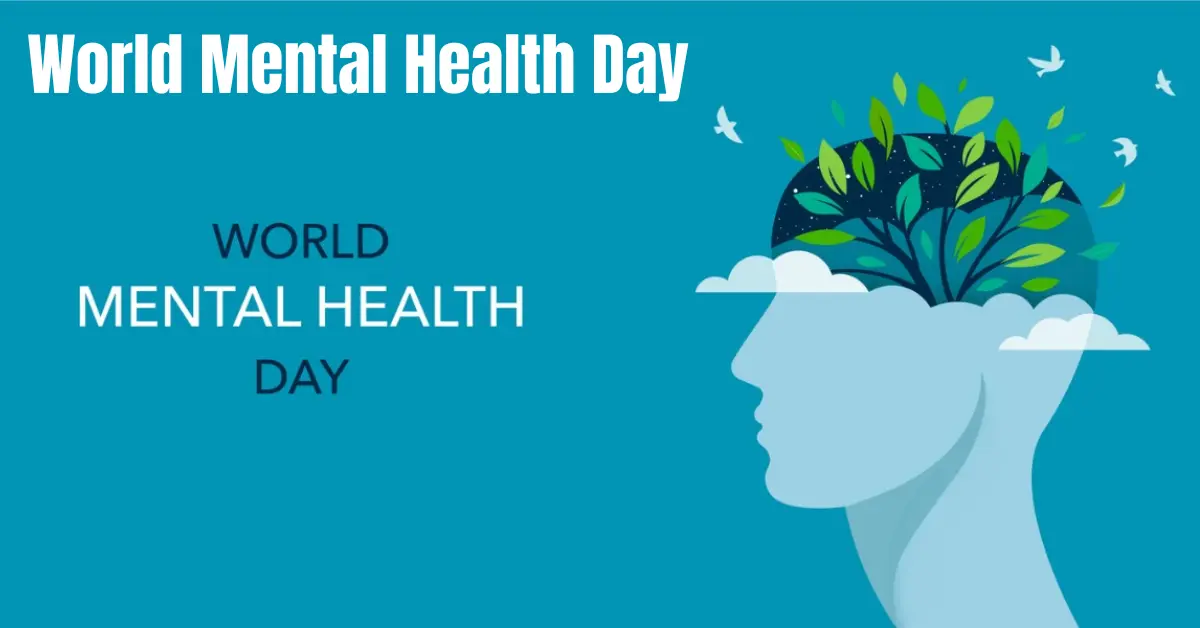
Mental health is just as important as physical health, yet it is often overlooked. People pay close attention to eating healthy foods, exercising regularly, and treating physical illnesses, but many ignore the health of their minds. Stress, anxiety, depression, burnout, and emotional struggles have become increasingly common across the world, affecting people of all ages.
This is why World Mental Health Day is so important. It reminds individuals, communities, workplaces, schools, and governments that mental well-being deserves attention, understanding, and support. The day encourages open conversations about mental health, reduces stigma, and inspires people to seek help without fear or shame.
Every year, millions of people participate in activities that promote awareness, educate others, and advocate for better mental health services. While one day cannot solve every mental health challenge, it serves as a powerful reminder that everyone deserves access to care, compassion, and hope.
In this article, we’ll explore the history of World Mental Health Day, why it matters, common mental health challenges, ways to improve emotional well-being, and how everyone can contribute to building a healthier and more supportive society.
What Is World Mental Health Day?
World Mental Health Day is observed every year on October 10. It is a global awareness day dedicated to educating people about mental health issues while encouraging efforts to improve mental healthcare around the world.
The day provides an opportunity for individuals and organizations to discuss mental health openly, organize awareness campaigns, host educational events, and encourage people to seek professional support when needed.
World Mental Health Day also reminds us that mental illness is not a personal weakness. Like physical illnesses, mental health conditions can affect anyone regardless of age, gender, culture, education, or financial background.
By increasing awareness and reducing misunderstandings, society becomes more accepting and supportive of those facing emotional or psychological challenges.
The History of World Mental Health Day
World Mental Health Day was first celebrated in 1992 through the efforts of global mental health organizations seeking to raise awareness about mental well-being.
Initially, the observance focused on increasing public awareness of mental health issues. Over time, it evolved into an international campaign addressing important topics such as:
- Suicide prevention
- Depression awareness
- Anxiety disorders
- Workplace mental health
- Youth mental well-being
- Access to mental healthcare
- Reducing discrimination
- Community support
Today, countries around the world recognize the day through seminars, educational workshops, charity events, public discussions, media campaigns, and social media initiatives that encourage people to prioritize their mental health.
Why Is Mental Health Important?
Mental health influences nearly every part of life. It affects how people think, feel, make decisions, build relationships, and respond to life’s challenges.
Good mental health allows people to:
- Handle stress effectively
- Build healthy relationships
- Stay productive
- Learn new skills
- Make thoughtful decisions
- Enjoy daily life
- Recover from setbacks
Poor mental health, however, can interfere with work, education, relationships, physical health, and overall happiness.
Mental well-being is not simply the absence of mental illness. Instead, it involves emotional balance, resilience, healthy coping skills, and the ability to enjoy life while managing its difficulties.
Common Mental Health Challenges
Many mental health conditions affect millions of people globally. Understanding these challenges helps reduce stigma and encourages compassion.
Anxiety Disorders
Anxiety goes beyond ordinary worry. People living with anxiety disorders often experience excessive fear, nervousness, racing thoughts, restlessness, and physical symptoms such as rapid heartbeat or sweating.
Without proper support, anxiety can interfere with daily activities and relationships.
Depression
Depression is one of the most common mental health conditions. It involves persistent sadness, loss of interest in enjoyable activities, low energy, changes in sleep patterns, and difficulty concentrating.
Depression can affect anyone, regardless of age or background.
Stress
Stress is a normal part of life, but chronic stress can negatively affect both physical and mental health.
Common causes include:
- Financial pressure
- Academic challenges
- Workplace demands
- Family responsibilities
- Health concerns
- Major life changes
Managing stress effectively helps prevent long-term emotional and physical health problems.
Burnout
Burnout is becoming increasingly common, especially among working professionals, students, healthcare workers, and caregivers.
Symptoms include:
- Constant exhaustion
- Lack of motivation
- Emotional detachment
- Reduced productivity
- Feeling overwhelmed
Recognizing burnout early allows individuals to seek support before it becomes more serious.
Loneliness
Despite living in an increasingly connected world, many people experience loneliness.
Social isolation can contribute to anxiety, depression, and reduced self-esteem. Maintaining meaningful relationships plays an important role in emotional well-being.
Why World Mental Health Day Matters
World Mental Health Day serves many valuable purposes beyond simply raising awareness.
Reducing Stigma
Many people hesitate to discuss mental health because they fear judgment or discrimination.
Awareness campaigns encourage open conversations and remind society that seeking help is a sign of strength rather than weakness.
Encouraging Early Support
Many mental health conditions improve significantly when recognized and treated early.
World Mental Health Day encourages individuals to seek professional help before problems become overwhelming.
Promoting Education
Misunderstandings about mental illness often create fear and discrimination.
Educational campaigns help people understand symptoms, treatment options, recovery, and ways to support loved ones experiencing mental health challenges.
Supporting Better Healthcare
The observance also highlights the importance of improving access to affordable mental healthcare.
Many communities still face shortages of trained professionals, counseling services, and mental health resources.
Greater awareness often leads to increased investment in healthcare systems.
Factors That Affect Mental Health
Mental health is influenced by many different factors rather than a single cause.
Physical Health
Regular exercise, balanced nutrition, quality sleep, and proper medical care all contribute to emotional well-being.
Poor physical health can increase the risk of mental health problems.
Relationships
Supportive relationships provide comfort during difficult times.
Positive friendships and strong family connections help build resilience and reduce feelings of loneliness.
Work Environment
A healthy workplace encourages productivity while protecting employees from excessive stress and burnout.
Employers increasingly recognize that supporting employee mental health benefits both individuals and organizations.
Financial Stability
Financial concerns often contribute to stress and anxiety.
Although money cannot guarantee happiness, financial security reduces many everyday pressures.
Social Media
Social media offers opportunities for connection but may also contribute to comparison, cyberbullying, misinformation, and unrealistic expectations.
Using social media mindfully helps maintain emotional balance.
How to Improve Mental Health
Improving mental health often involves small daily habits rather than dramatic changes.
Stay Physically Active
Exercise releases chemicals that improve mood and reduce stress.
Activities such as walking, swimming, cycling, dancing, or yoga can positively affect mental well-being.
Get Enough Sleep
Quality sleep allows the brain to recover and regulate emotions.
Adults generally benefit from maintaining consistent sleep schedules and creating relaxing bedtime routines.
Eat Nutritious Foods
A balanced diet supports brain function and overall health.
Eating plenty of fruits, vegetables, whole grains, lean proteins, and healthy fats contributes to improved energy and mood.
Practice Mindfulness
Mindfulness encourages people to focus on the present moment rather than worrying about the past or future.
Meditation, deep breathing, and relaxation exercises can help reduce stress and improve emotional resilience.
Stay Connected
Talking with trusted friends or family members provides emotional support during difficult times.
Meaningful conversations remind people that they are not alone.
Ask for Help
One of the strongest things a person can do is ask for help when struggling.
Mental health professionals, counselors, psychologists, psychiatrists, and support groups can provide effective guidance and treatment.
Conclusion
World Mental Health Day is more than just a date on the calendar—it is a global reminder that mental health deserves the same care and attention as physical health. Every person experiences emotional ups and downs, and seeking support during difficult times is a sign of courage, not weakness. By encouraging open conversations, reducing stigma, and improving access to mental health resources, we can create a world where everyone feels safe, valued, and supported.
Whether you are a student, parent, employee, employer, healthcare professional, or community member, you have the power to make a positive difference. Simple acts such as listening without judgment, checking in on loved ones, practicing self-care, and encouraging others to seek help can have a lasting impact. Small steps taken every day can contribute to healthier minds, stronger relationships, and more compassionate communities.
As we observe World Mental Health Day each year on October 10, let it serve as a reminder to prioritize our mental well-being and support those around us. Together, we can break down barriers, promote understanding, and build a future where mental health is treated with the respect and importance it truly deserves. After all, a healthier mind leads to a healthier, happier, and more resilient world.
